
How to Build a Morning Routine That Actually Sticks (For Dads)

By Keira Farrell • July 22, 2026
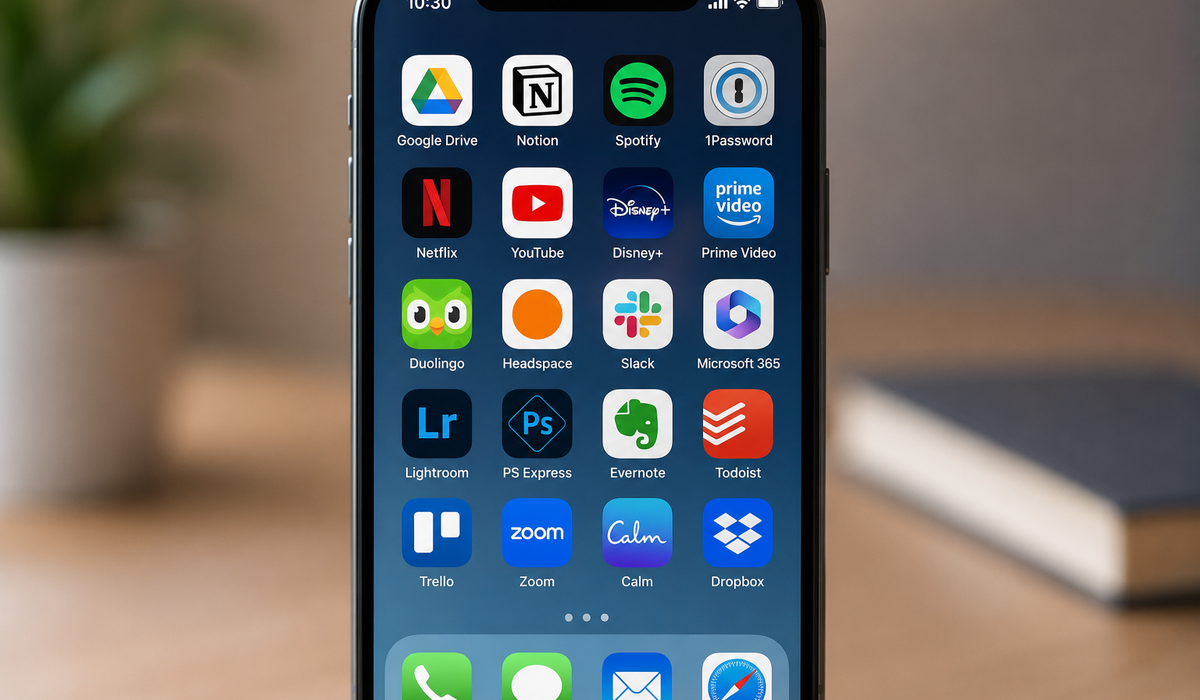
Subscription apps have become part of everyday life. From streaming services and fitness platforms to cloud storage and productivity tools, it’s easy to sign up for a free trial and forget about it months later. While some subscriptions genuinely improve your daily life, others quietly drain your budget without delivering much value.
Instead of paying for every app that promises convenience, focus on the services you actually use. Reviewing your subscriptions regularly can help you save money while ensuring you’re investing in tools that truly make a difference.
The best subscriptions are the ones that save you time, improve your productivity, or provide lasting value.
Cloud storage services are often worth paying for if you regularly back up photos, documents, and important files. Productivity apps can also justify their cost when they help you organize work, collaborate with others, or simplify everyday tasks.
Educational platforms, language-learning apps, or fitness programs may also be worthwhile if you use them consistently enough to replace more expensive alternatives, such as in-person classes or gym memberships.
The key question isn’t whether an app is popular—it’s whether it has become part of your routine.
Some apps don’t provide daily entertainment but still offer significant value.
Password managers help you create and store strong, unique passwords across all your accounts, reducing the risk of security breaches. Reliable cloud backup services protect your photos and important documents from accidental loss. Antivirus software may also be worthwhile for some users, particularly if it provides features beyond the security tools already built into your devices.
These types of subscriptions often deliver value by preventing problems rather than creating daily convenience.
Investing in digital security is usually far less expensive than recovering from identity theft or data loss.
Many people continue paying for subscriptions simply because canceling feels like a task for another day.
Review your bank or credit card statements every few months and identify subscriptions you haven’t used recently. If you can’t remember the last time you opened an app, it’s probably worth reconsidering.
Fitness apps you no longer follow, streaming services you rarely watch, premium photo editors you use once a year, or meditation apps you abandoned after a few weeks may all be candidates for cancellation.
Remember that you can usually subscribe again later if your needs change.
It’s common to pay for multiple apps that perform nearly identical functions.
For example, you may subscribe to several streaming platforms while only regularly watching one. You might also have multiple cloud storage accounts, note-taking apps, music services, or photo editing subscriptions offering similar features.
Consolidating overlapping subscriptions can simplify your digital life while reducing monthly expenses.
Before paying for a new app, ask yourself whether another service you already use can accomplish the same task.
Small monthly charges often feel insignificant, but they add up surprisingly quickly.
A subscription that costs $10 per month may not seem expensive until you realize it totals $120 per year. Multiply that by several services, and your annual subscription spending can easily reach hundreds or even thousands of dollars.
Looking at the yearly cost instead of the monthly price makes it easier to decide whether an app truly delivers enough value to justify keeping it.
This simple perspective often changes purchasing decisions.
Technology changes quickly, and so do your needs.
Set aside time every few months to review every subscription you pay for. Ask yourself a few simple questions: Do I use this regularly? Does it save me time or improve my life? Is there a free or less expensive alternative? Would I subscribe again today if I didn’t already have it?
If the answer is no, cancel it without guilt.
The goal isn’t to eliminate every paid app—it’s to make sure every subscription earns its place in your budget. By keeping the services that provide genuine value, removing those you no longer use, and reviewing your subscriptions regularly, you can spend less while getting more from the digital tools you rely on every day. Thoughtful choices about recurring expenses can make a meaningful difference to both your finances and your daily life.

Fatherhood has changed significantly over the past few decades. While previous generations often focused primarily on providing financially for their families, many fathers today are embracing a broader role—one that includes caregiving, emotional support, household responsibilities, and active involvement in their children’s everyday lives.

Every family, workplace, or group of friends seems to have someone who quietly carries more than anyone realizes. He’s the one people depend on when something goes wrong. He stays calm during difficult moments, solves problems without complaining, and keeps moving forward even when life feels heavy.

Fatherhood isn’t usually defined by one extraordinary moment. It’s built through thousands of ordinary ones—making breakfast before school, showing up to soccer practice, reading one more bedtime story, listening after a difficult day, and being there when your child simply needs you.

Not every week is about chasing big goals or celebrating major achievements. Some weeks are simply about keeping everything moving—meeting deadlines, looking after your family, managing responsibilities, and finding enough energy to do it all again tomorrow.

Some dads seem to stay calm no matter what life throws at them. They handle busy mornings, unexpected setbacks, work stress, and family responsibilities without appearing constantly overwhelmed. It isn’t because their lives are easier or because they never feel stressed. More often, it’s because they’ve developed habits that help them respond thoughtfully instead of reacting emotionally.

Many people start an exercise routine with enthusiasm, only to stop a few weeks later. The problem usually isn’t a lack of motivation—it’s trying to follow a plan that doesn’t fit real life. Long workouts, unrealistic expectations, and an all-or-nothing mindset often make consistency difficult.