
How to Build a Morning Routine That Actually Sticks (For Dads)

By Scott Glenn • July 23, 2026
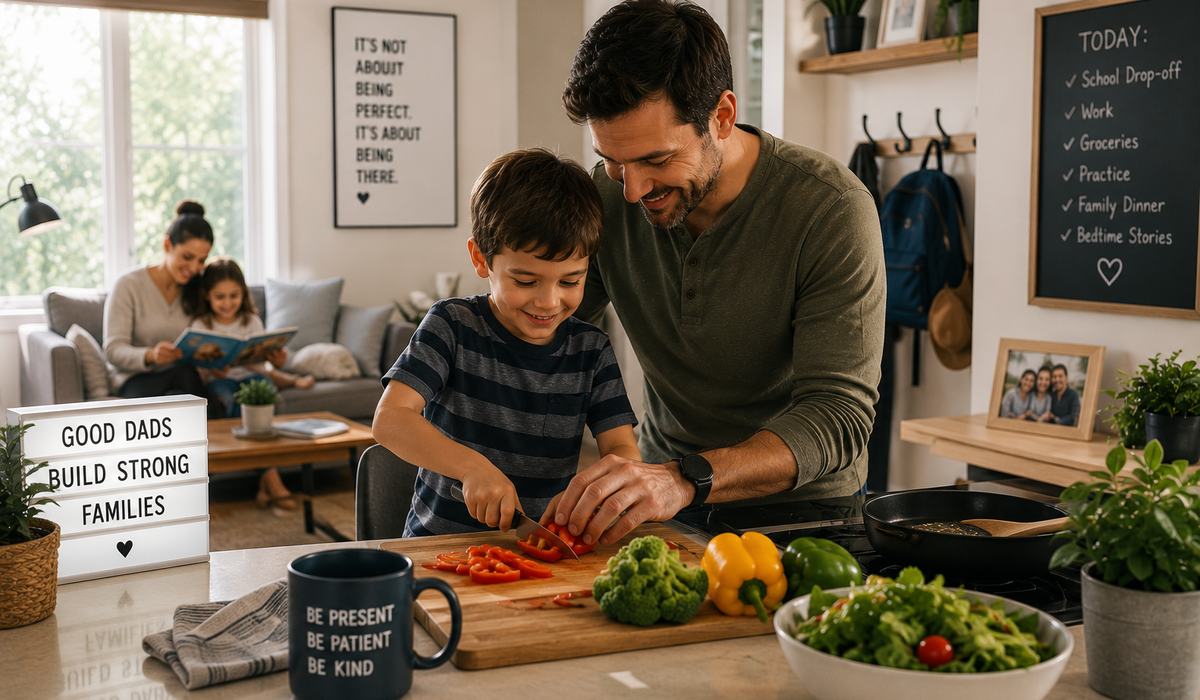
Fatherhood has changed significantly over the past few decades. While previous generations often focused primarily on providing financially for their families, many fathers today are embracing a broader role—one that includes caregiving, emotional support, household responsibilities, and active involvement in their children’s everyday lives.
This shift hasn’t happened overnight, and it isn’t the same in every family or culture. But across many communities, modern dads are quietly redefining what it means to be a father by being more present, engaged, and intentional than ever before.
Providing for a family remains an important responsibility, but many fathers now recognize that their presence is just as valuable as their paycheck.
Reading bedtime stories, helping with homework, attending school events, preparing meals, or simply spending uninterrupted time together all contribute to a child’s development and sense of security.
Children benefit from knowing their father isn’t only there for major milestones but also for the ordinary moments that make up everyday life.
The small interactions often leave the biggest impression.
For many years, fathers were often expected to appear tough, reserved, and emotionally distant.
Today, many dads are choosing a different approach. They’re more comfortable expressing affection, listening without immediately trying to solve every problem, apologizing when they make mistakes, and talking openly about emotions.
This doesn’t make them less strong. It helps children understand that empathy, honesty, and emotional awareness are valuable qualities for everyone.
Modeling healthy emotional communication gives children skills they’ll carry throughout life.
In many households, parenting responsibilities are becoming more evenly shared.
Fathers are increasingly involved in feeding babies, changing diapers, attending medical appointments, coordinating school activities, preparing meals, and managing daily routines alongside their partners.
Every family divides responsibilities differently, but the growing emphasis on teamwork reflects a broader understanding that raising children is a shared effort.
When both parents feel supported, the entire family often benefits.
Modern fatherhood isn’t measured only by career success or financial achievement.
Many dads now place greater value on being available for family dinners, coaching sports teams, weekend adventures, bedtime routines, or simply listening to their children talk about their day.
These everyday moments help build trust, strengthen relationships, and create memories that often last far longer than material gifts.
Children rarely remember how many hours their parents worked. They remember how they felt when they were together.
Parenting doesn’t come with a complete instruction manual.
Today’s dads have access to parenting books, podcasts, online communities, and expert advice that previous generations often didn’t. Many actively seek information about child development, communication, mental health, and positive discipline to become more confident parents.
Learning doesn’t suggest weakness—it reflects a willingness to grow alongside their children.
Every stage of parenting brings new opportunities to improve.
Modern dads are helping reshape the idea of what successful fatherhood looks like.
Success isn’t about being perfect or having all the answers. It’s about being dependable, showing kindness, admitting mistakes, continuing to learn, and making time for the people who matter most.
Children don’t need flawless fathers. They benefit from fathers who consistently show up, listen, support them, and make them feel loved.
Those everyday actions often become the foundation of a strong family.
Fatherhood continues to evolve, not because the responsibilities have become easier, but because many dads are choosing to be involved in more ways than ever before. By balancing work with presence, embracing emotional connection, sharing parenting responsibilities, investing in everyday moments, and remaining open to learning, modern fathers are quietly redefining what it means to raise the next generation. The future of fatherhood isn’t being shaped by dramatic changes—it is being built through thousands of small, intentional moments that happen every single day.

Fatherhood has changed significantly over the past few decades. While previous generations often focused primarily on providing financially for their families, many fathers today are embracing a broader role—one that includes caregiving, emotional support, household responsibilities, and active involvement in their children’s everyday lives.

Every family, workplace, or group of friends seems to have someone who quietly carries more than anyone realizes. He’s the one people depend on when something goes wrong. He stays calm during difficult moments, solves problems without complaining, and keeps moving forward even when life feels heavy.

Fatherhood isn’t usually defined by one extraordinary moment. It’s built through thousands of ordinary ones—making breakfast before school, showing up to soccer practice, reading one more bedtime story, listening after a difficult day, and being there when your child simply needs you.

Not every week is about chasing big goals or celebrating major achievements. Some weeks are simply about keeping everything moving—meeting deadlines, looking after your family, managing responsibilities, and finding enough energy to do it all again tomorrow.

Some dads seem to stay calm no matter what life throws at them. They handle busy mornings, unexpected setbacks, work stress, and family responsibilities without appearing constantly overwhelmed. It isn’t because their lives are easier or because they never feel stressed. More often, it’s because they’ve developed habits that help them respond thoughtfully instead of reacting emotionally.

Many people start an exercise routine with enthusiasm, only to stop a few weeks later. The problem usually isn’t a lack of motivation—it’s trying to follow a plan that doesn’t fit real life. Long workouts, unrealistic expectations, and an all-or-nothing mindset often make consistency difficult.