How to Build a Morning Routine That Actually Sticks (For Dads)

By Travis Zamora • July 23, 2026
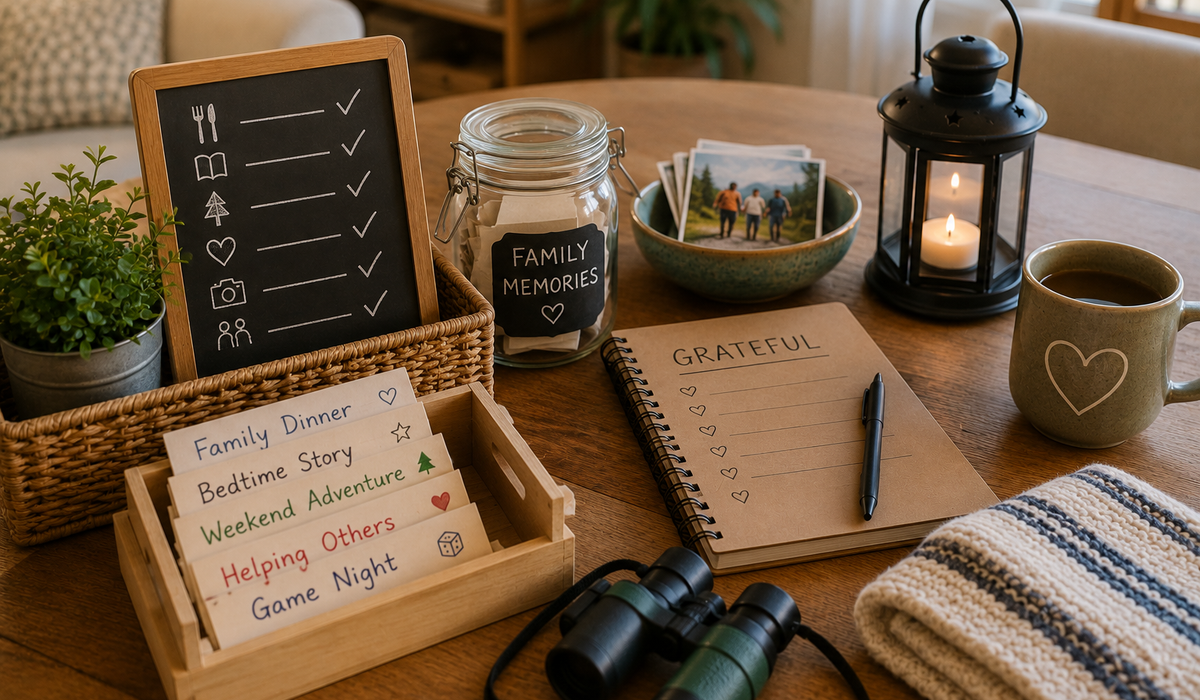
Family traditions don’t have to be grand holiday celebrations or expensive annual vacations. In fact, the traditions children often remember most are the simple routines that happen consistently throughout the year. These shared experiences create a sense of belonging, strengthen relationships, and become lasting memories that families carry with them for generations.
The best part is that it’s never too early—or too late—to start a new tradition. Even small rituals can become meaningful when they’re repeated with care and consistency.
Sharing meals is one of the easiest ways to build connection.
Whether it’s breakfast on weekends or dinner a few nights each week, try making mealtime about more than just eating. Put phones away, ask everyone about the best part of their day, or introduce a fun question that everyone answers around the table.
These conversations help children feel heard while encouraging communication and strengthening family relationships.
The tradition isn’t the meal itself—it’s the time spent together.
Bedtime offers a valuable opportunity to connect before the day ends.
Reading a story together, talking about something you’re grateful for, sharing highlights from the day, or simply cuddling for a few minutes can become comforting routines that children look forward to.
These rituals help children feel safe and supported while creating positive associations with the end of each day.
As children grow older, the routine may change, but the opportunity to connect remains just as important.
Not every celebration needs to be tied to birthdays or holidays.
Celebrate finishing a school project, learning a new skill, reaching a personal goal, or overcoming a challenge. The celebration might be as simple as choosing dinner, baking cookies together, or taking a family walk.
Recognizing everyday achievements teaches children that effort and progress deserve appreciation, not just major accomplishments.
Over time, these moments build confidence and encourage resilience.
Nature provides a simple setting for meaningful family traditions.
Take a walk every Sunday, visit a local park each month, go hiking seasonally, or enjoy a family picnic when the weather allows. Outdoor activities encourage conversation while reducing the distractions that often come with screens and busy schedules.
Children may not remember every destination, but they’ll remember spending time together exploring new places.
These experiences also help build healthy habits that can last a lifetime.
Acts of kindness can become powerful family traditions.
Volunteer together, donate gently used items, prepare care packages, help neighbors, or participate in community events. Involving children in these activities teaches empathy, generosity, and the importance of contributing to others.
Giving back doesn’t need to be elaborate. Even small acts of kindness, repeated regularly, help shape family values and create meaningful shared experiences.
Children often learn compassion best by watching it in action.
Traditions become even more meaningful when you preserve them.
Take an annual family photo in the same location, keep a journal of funny moments, create a scrapbook, or record short videos during special occasions. Looking back on these memories together becomes a tradition in itself.
Documenting family life isn’t about creating perfect pictures—it’s about preserving everyday moments that might otherwise be forgotten.
Years later, these simple records often become treasured keepsakes.
Family traditions don’t need to be expensive, complicated, or time-consuming to make a lasting impact. The routines that matter most are often the ones built around everyday moments—sharing meals, reading before bed, celebrating progress, spending time outdoors, helping others, and preserving memories together. What children remember most isn’t how elaborate a tradition was, but how consistently it made them feel connected, loved, and part of something special. Starting even one simple tradition today can create memories that last a lifetime.

Fatherhood has changed significantly over the past few decades. While previous generations often focused primarily on providing financially for their families, many fathers today are embracing a broader role—one that includes caregiving, emotional support, household responsibilities, and active involvement in their children’s everyday lives.

Every family, workplace, or group of friends seems to have someone who quietly carries more than anyone realizes. He’s the one people depend on when something goes wrong. He stays calm during difficult moments, solves problems without complaining, and keeps moving forward even when life feels heavy.

Fatherhood isn’t usually defined by one extraordinary moment. It’s built through thousands of ordinary ones—making breakfast before school, showing up to soccer practice, reading one more bedtime story, listening after a difficult day, and being there when your child simply needs you.

Not every week is about chasing big goals or celebrating major achievements. Some weeks are simply about keeping everything moving—meeting deadlines, looking after your family, managing responsibilities, and finding enough energy to do it all again tomorrow.

Some dads seem to stay calm no matter what life throws at them. They handle busy mornings, unexpected setbacks, work stress, and family responsibilities without appearing constantly overwhelmed. It isn’t because their lives are easier or because they never feel stressed. More often, it’s because they’ve developed habits that help them respond thoughtfully instead of reacting emotionally.

Many people start an exercise routine with enthusiasm, only to stop a few weeks later. The problem usually isn’t a lack of motivation—it’s trying to follow a plan that doesn’t fit real life. Long workouts, unrealistic expectations, and an all-or-nothing mindset often make consistency difficult.