How to Build a Morning Routine That Actually Sticks (For Dads)

By Jack Willis • July 23, 2026
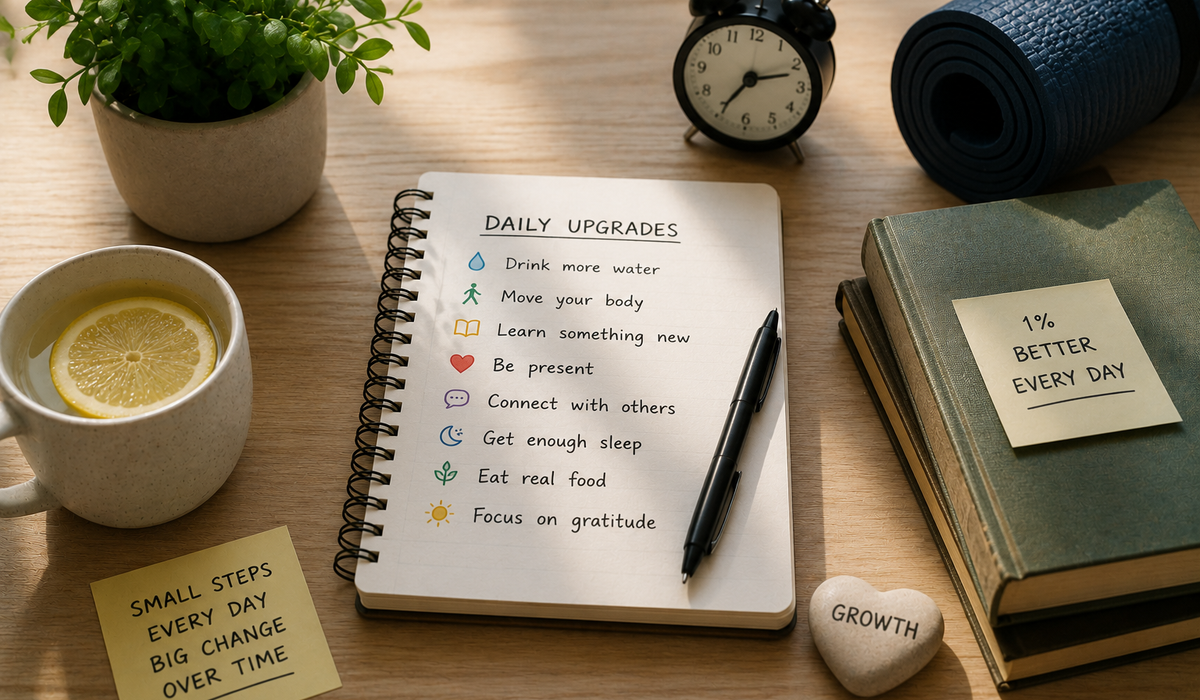
It’s easy to believe that meaningful change requires dramatic action—a new job, a strict fitness plan, a complete lifestyle overhaul, or a major life decision. In reality, most lasting improvements come from much smaller choices made consistently over time. Tiny daily upgrades may seem insignificant on their own, but together they shape how you feel, how you work, and how you experience life.
The goal isn’t to become a completely different person overnight. It’s to make your everyday routines just a little better than they were yesterday.
Trying to change everything at once often leads to frustration.
Instead of overhauling your entire routine, choose one habit to improve. Drink more water each morning, take a short walk after lunch, read for ten minutes before bed, or spend five minutes planning your day.
Once that habit becomes automatic, introduce another small improvement.
Steady progress is far easier to maintain than chasing perfection from the start.
Small changes in how you spend your time can have a surprisingly large impact.
Limit unnecessary scrolling, reduce distractions while working, and schedule time for activities that genuinely matter to you. Even reclaiming 20 or 30 minutes each day creates space for learning, exercising, reading, or connecting with people you care about.
Time is one of your most valuable resources. Using it more intentionally often improves many other areas of life.
Small decisions repeated daily shape your future more than occasional bursts of productivity.
Healthy living doesn’t depend on perfect diets or intense workouts.
Choosing nutritious meals more often, walking regularly, getting enough sleep, stretching after sitting for long periods, and staying hydrated are simple habits that support long-term well-being.
None of these actions produce dramatic results overnight, but together they improve energy, focus, and resilience over time.
Your health is built through the choices you make consistently, not occasionally.
Relationships rarely improve because of one grand gesture.
Sending a thoughtful message, calling a friend, expressing gratitude to your partner, reading with your children, or having dinner without phones are small acts that deepen connection over time.
People often remember how consistently you showed up far more than any single impressive moment.
Strong relationships are built through regular attention and genuine presence.
Personal growth doesn’t end after school.
Reading a few pages of a book, listening to an educational podcast during your commute, learning a new skill online, or asking thoughtful questions can gradually expand your knowledge and perspective.
Learning consistently keeps your mind active and prepares you for opportunities that may not even exist yet.
Curiosity is one of the simplest habits you can practice every day.
The biggest advantage of small daily improvements is that they build on one another.
A healthier routine gives you more energy. More energy helps you work better. Better work creates new opportunities. Stronger relationships improve your well-being. Better sleep supports all of the above.
Over weeks, months, and years, these improvements begin to reinforce one another in ways that are difficult to notice day by day but impossible to ignore over time.
That’s the quiet power of consistency.
A better life is rarely created through one life-changing moment. More often, it’s built through countless small decisions that gradually become habits. By improving one routine at a time, protecting your time, investing in your health, strengthening relationships, continuing to learn, and allowing those habits to compound, you create lasting change without overwhelming yourself. The small choices you make today may seem ordinary, but together they become the foundation of the life you’re building tomorrow.

Fatherhood has changed significantly over the past few decades. While previous generations often focused primarily on providing financially for their families, many fathers today are embracing a broader role—one that includes caregiving, emotional support, household responsibilities, and active involvement in their children’s everyday lives.

Every family, workplace, or group of friends seems to have someone who quietly carries more than anyone realizes. He’s the one people depend on when something goes wrong. He stays calm during difficult moments, solves problems without complaining, and keeps moving forward even when life feels heavy.

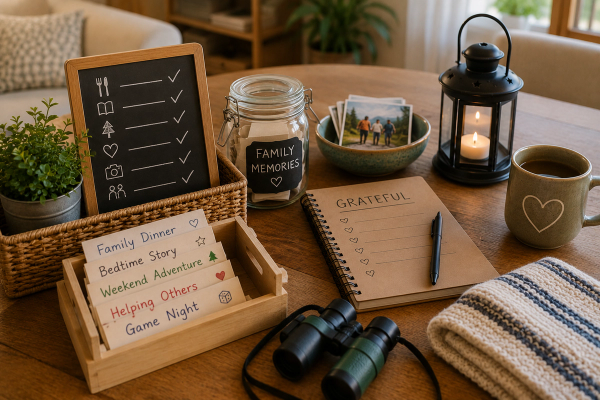
Fatherhood isn’t usually defined by one extraordinary moment. It’s built through thousands of ordinary ones—making breakfast before school, showing up to soccer practice, reading one more bedtime story, listening after a difficult day, and being there when your child simply needs you.

Not every week is about chasing big goals or celebrating major achievements. Some weeks are simply about keeping everything moving—meeting deadlines, looking after your family, managing responsibilities, and finding enough energy to do it all again tomorrow.

Some dads seem to stay calm no matter what life throws at them. They handle busy mornings, unexpected setbacks, work stress, and family responsibilities without appearing constantly overwhelmed. It isn’t because their lives are easier or because they never feel stressed. More often, it’s because they’ve developed habits that help them respond thoughtfully instead of reacting emotionally.

Many people start an exercise routine with enthusiasm, only to stop a few weeks later. The problem usually isn’t a lack of motivation—it’s trying to follow a plan that doesn’t fit real life. Long workouts, unrealistic expectations, and an all-or-nothing mindset often make consistency difficult.